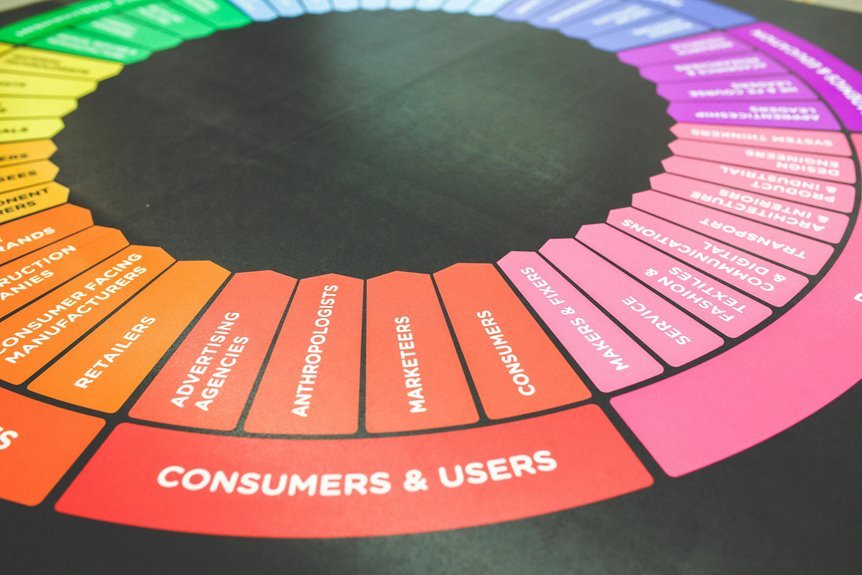
Complete Digital Campaigns 120901108 for Online Success represents a strategic approach to marketing in the digital age. By integrating various online channels, these campaigns aim to enhance brand visibility and engage target audiences effectively. Key elements such as audience targeting and compelling content are vital to their success. However, the real challenge lies in measuring effectiveness and adapting strategies accordingly. What techniques can marketers employ to ensure their campaigns achieve desired results?
What Are Complete Digital Campaigns?
While many businesses embark on digital marketing efforts, complete digital campaigns encompass a comprehensive strategy that integrates various online channels and tactics to achieve specific objectives.
These campaigns rely on effective campaign strategies that prioritize audience targeting, ensuring that messages resonate with the right demographics.
Essential Elements of Successful Digital Campaigns
Successful digital campaigns hinge on several essential elements that, when strategically aligned, can significantly enhance a brand’s online presence.
Identifying the target audience is crucial, as it informs the content strategy, ensuring messages resonate effectively. Engaging, relevant content tailored to audience needs fosters connection and drives action.
Together, these elements create a cohesive framework that empowers brands to thrive in the digital landscape.
How to Measure Success in Complete Digital Campaigns?
How can marketers effectively gauge the success of their digital campaigns?
By meticulously analyzing campaign metrics and performance indicators, they can uncover valuable insights.
Key metrics such as conversion rates, engagement levels, and return on investment serve as crucial benchmarks.
This analytical approach empowers marketers to adapt strategies, optimize performance, and ultimately achieve the freedom to craft campaigns that resonate with their target audience.
How to Effectively Implement Your Campaign
To effectively implement a digital campaign, marketers must first establish a clear roadmap that outlines their objectives and target audience.
By defining a precise campaign timeline, they can allocate resources efficiently and adjust strategies proactively.
Engaging content tailored to the audience’s preferences enhances connection and drives results, ultimately fostering the freedom desired by consumers while ensuring the campaign’s overall success.
Conclusion
In the intricate web of digital marketing, the success of complete digital campaigns often hinges on the serendipitous alignment of strategy and audience engagement. As marketers refine their approaches, they may uncover unexpected insights that elevate their campaigns, transforming mere metrics into meaningful connections. The interplay of creativity and analytics creates a dynamic environment where adaptability is crucial. Ultimately, those who embrace this holistic strategy not only achieve their business goals but also foster lasting relationships with their consumers.